
Whipple Procedure for Pancreatic Cancer: Surgery, Recovery, Risks & Success Rate
Pancreatic cancer is a serious disease that often requires specialized treatment. For tumors located in the head of the pancreas, the Whipple Procedure (Pancreaticoduodenectomy) is considered the most effective surgical treatment and offers the best chance for long-term survival in eligible patients.
Dr. Sanjeev Kumar, a leading Pancreatic Cancer Surgeon in Delhi NCR, has over 15 years of experience in Surgical Oncology. He specializes in Gastro-intestinal Oncology, Colon-Rectal Cancer, Pelvic Cancer, Robotic Surgery, Advanced Laparoscopic Surgery, and HIPEC/PIPAC procedures, providing advanced and personalized cancer care. Patients looking for Pancreatic Cancer Treatment in Dwarka can benefit from his expertise in complex pancreatic surgeries.
What is the Whipple Procedure?
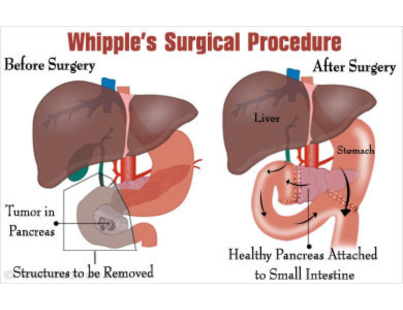
The Whipple Procedure is a complex surgery used to remove cancerous tumors from the head of the pancreas. During the procedure, the surgeon removes:
- • Head of the pancreas
- • Duodenum (first part of the small intestine)
- • Gallbladder
- • Part of the bile duct
- • Sometimes a portion of the stomach
The remaining organs are then reconnected to restore normal digestion.
Who Needs a Whipple Procedure?
This surgery may be recommended for:
- • Pancreatic cancer
- • Ampullary cancer
- • Distal bile duct cancer
- • Duodenal cancer
- • Certain pancreatic cysts and tumors
Comprehensive imaging and evaluation are performed to determine whether the tumor can be safely removed.
How is the Surgery Performed?
Open Surgery
A traditional approach involving a larger abdominal incision. Minimally Invasive Surgery
- • Advanced Laparoscopic Surgery
- • Robotic Surgery
These techniques may result in smaller incisions, less pain, and faster recovery for selected patients. Recovery After Whipple Procedure
Hospital Stay
- • Usually 7–14 days
- • Close monitoring for complications
Diet and Nutrition
- • Gradual progression from liquids to solid foods.
- • Nutritional guidance may be required.
Return to Normal Activities
- • Light activities within a few weeks
- • Full recovery may take 6–12 weeks
Regular follow-up visits are essential to monitor recovery and plan further treatment if needed.
Risks and Complications
Like any major surgery, the Whipple Procedure carries certain risks:
- • Bleeding
- • Infection
- • Delayed gastric emptying
- • Pancreatic leak
- • Digestive difficulties
- • Blood clots
When performed by an experienced Pancreatic Cancer Surgeon in Delhi NCR, the risk of complications can be significantly reduced.
Success Rate of the Whipple Procedure
The success rate depends on several factors, including:
- • Stage of pancreatic cancer
- • Complete removal of the tumor
- • Patient's overall health
- • Experience of the surgical team
Advances in surgical techniques, anesthesia, intensive care, and cancer therapies have greatly improved outcomes and survival rates.
Why Choose an Experienced Pancreatic Cancer Surgeon?
Pancreatic surgery is highly specialized and should be performed by experts with extensive experience.
An experienced surgeon can offer:
- • Accurate diagnosis and staging
- • Advanced surgical techniques
- • Multidisciplinary cancer care
- • Better complication management
- • Improved long-term outcomes
Conclusion
The Whipple Procedure remains the gold-standard surgical treatment for eligible patients with pancreatic cancer. With modern surgical advancements and expert care, patients today have better recovery rates and improved outcomes than ever before.
If you are searching for a trusted Pancreatic Cancer Surgeon in Delhi NCR or want to Book an Appointment for Pancreatic Cancer Treatment in Dwarka , consult Dr. Sanjeev Kumar - Director & Unit Head Max Oncology Department at Max Hospital Dwraka . With over 15 years of surgical oncology experience and expertise in advanced pancreatic cancer surgery, he provides comprehensive, patient-focused cancer care to help achieve the best possible outcomes.