Understanding Gastrointestinal (GI) Cancers
The gastrointestinal tract is a complex system responsible for digestion and nutrient absorption. Cancers can develop in different parts of this system, including:
- Esophagus
- Stomach
- Liver
- Pancreas
- Gallbladder
- Small intestine
- Colon and rectum
Because these organs are closely connected and surrounded by important blood vessels, nerves, and lymph nodes, treating GI cancers requires highly specialized surgical skills.
What Does a GI Cancer Surgeon Do?
A GI cancer surgeon is a specialist who focuses on the surgical treatment of cancers affecting the digestive system. Their role goes far beyond simply removing tumors.
- 1. Accurate Cancer Evaluation
GI cancer surgeons work closely with oncologists, radiologists, and gastroenterologists to carefully analyze diagnostic tests such as endoscopy, CT scans, MRIs, and biopsies. This helps determine the exact stage and spread of cancer before planning treatment.
- 2. Performing Complex Cancer Surgeries
GI cancer surgeries are often highly complex because tumors may be located near critical organs and blood vessels. A specialized surgeon performs procedures such as:
- Esophageal cancer surgery.
- Stomach cancer surgery.
- Pancreatic tumor removal.
- Liver cancer surgery.
- Colon and rectal cancer surgery.
These surgeries require advanced surgical precision and deep knowledge of digestive anatomy.
- 3. Multidisciplinary Treatment Planning
Cancer treatment is rarely limited to surgery alone. GI cancer surgeons collaborate with medical oncologists and radiation oncologists to design personalized treatment plans, which may include chemotherapy, radiation therapy, or targeted therapy before or after surgery.
- 4. Advanced Surgical Techniques
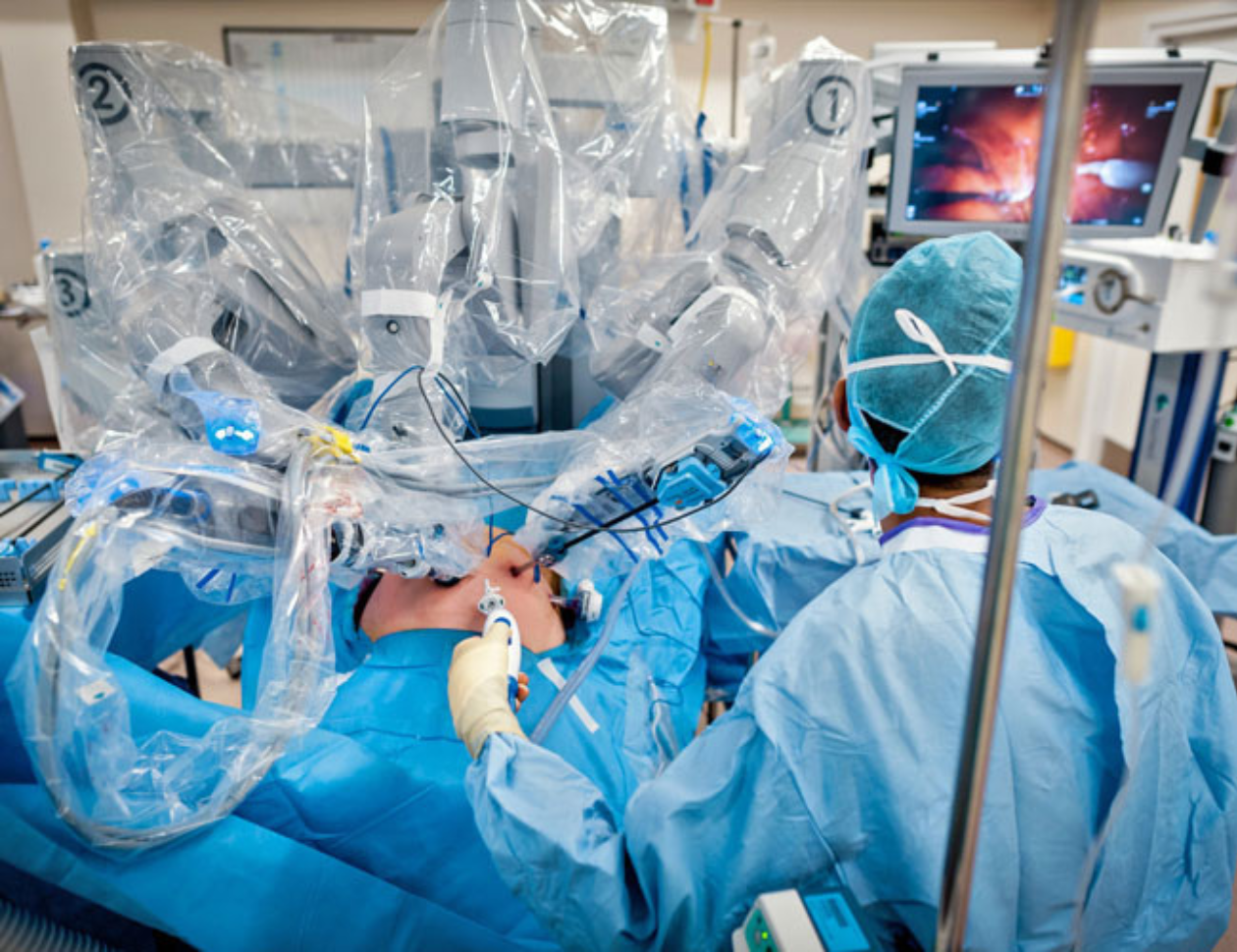
Many GI cancer surgeons are trained in minimally invasive procedures, including laparoscopic and robotic surgeries. These techniques help reduce pain, shorten hospital stays, and promote faster recovery.
- 5. Post-Surgical Care and Monitoring
After surgery, the surgeon continues to monitor recovery, manage complications if any, and ensure the patient receives proper nutritional and medical support.
Why Is a GI Cancer Surgeon More Specialized Than a General Surgeon?
While general surgeons are skilled in a wide range of surgical procedures, GI cancer surgeons undergo additional focused training in oncology and gastrointestinal surgery.
This specialization provides several advantages:
- 1. Location of the Tumour
This is the most critical factor.
Tumours located very low in the rectum — close to the anal sphincter muscles — are technically more challenging. If cancer involves the sphincter, preserving normal bowel control may not be possible, and a permanent stoma may be required.
However, many tumours are located higher up, allowing surgeons to safely reconnect the bowel.
- 2. Stage and Size of the Cancer
• Early-stage cancers are far more likely to be treated without a permanent stoma.
• Advanced cancers that invade nearby structures may require more extensive surgery.
- 3. Response to Pre-Surgery Treatment
Many patients receive chemotherapy and/or radiation before surgery (neoadjuvant therapy).
This treatment can shrink the tumour significantly. In some cases, it makes stoma-free surgery possible — even when it initially seemed unlikely.
In select patients where the tumour disappears completely, surgery may even be avoided through a carefully monitored "Watch and Wait" approach.
- 4. Patient’s Overall Health
Age, medical conditions, and baseline bowel function all influence surgical planning.
- 5. Surgeon’s Expertise and Technique
This is extremely important.
Specialised rectal cancer surgeons using advanced laparoscopic and robotic techniques have significantly higher rates of sphincter preservation and lower permanent stoma rates.
If you're consulting the Best Rectal Cancer Treatment Doctor in Max Hospital Dwarka, you can expect a treatment plan designed to maximise cancer control while preserving quality of life whenever possible.
Extensive Training in Cancer Surgery
GI cancer surgeons receive advanced training specifically in oncological surgery of the digestive system, enabling them to manage complex tumors that require delicate surgical techniques.
Deep Understanding of Tumor Behavior
Different GI cancers behave differently and spread in unique patterns. Specialists understand how these cancers grow, spread, and respond to treatment, which helps in planning effective surgery.
Experience with High-Risk Procedures
Procedures such as pancreatic surgery or liver tumor removal require significant expertise. Surgeons who perform these operations frequently tend to achieve better surgical outcomes and lower complication rates.
Advanced Technology and Techniques
Specialized cancer surgeons are often trained in state-of-the-art surgical methods, including minimally invasive and organ-preserving procedures.
Benefits of Choosing a GI Cancer Specialist
For patients diagnosed with gastrointestinal cancers, consulting a specialized surgeon can make a significant difference in treatment outcomes.
More Accurate Diagnosis and Staging
Specialists are skilled at identifying subtle signs of cancer spread, which ensures accurate staging and appropriate treatment planning.
Higher Success Rates in Surgery
Experience with complex GI procedures improves the likelihood of complete tumor removal while preserving healthy tissue.
Personalized Treatment Plans
GI cancer surgeons work within a multidisciplinary cancer care team, ensuring patients receive the most effective combination of treatments.
Better Recovery and Quality of Life
With advanced surgical techniques and expert post-operative care, patients often experience shorter recovery times and improved quality of life after treatment.
When Should You Consult a GI Cancer Surgeon?
You should consider consulting a GI cancer surgeon if you have been diagnosed with or suspect cancers such as:
- Stomach cancer
- Pancreatic cancer
- Liver cancer
- Gallbladder cancer
- Esophageal cancer
- Colon or rectal cancer
Early consultation allows the specialist to evaluate treatment options and plan the best course of action.
________________________________________
Expert GI Cancer Care Matters
Gastrointestinal cancers require specialized attention and expertise. A GI cancer surgeon brings focused knowledge, advanced surgical skills, and a multidisciplinary approach that can significantly improve patient outcomes.
Choosing the right specialist ensures that patients receive accurate diagnosis, advanced surgical treatment, and comprehensive cancer care tailored to their condition.
Choosing the right specialist plays a crucial role in the successful treatment of gastrointestinal cancers. A highly experienced GI cancer surgeon not only performs complex digestive cancer surgeries but also guides patients through accurate diagnosis, advanced treatment planning, and long-term recovery. DrSanjeev Kumar is recognized as an experienced GI cancer surgeon in Delhi, offering specialized care for cancers of the stomach, pancreas, liver, colon, rectum, and other gastrointestinal organs. With a strong focus on advanced gastrointestinal cancer treatment, minimally invasive surgery, and personalized oncology care, he works closely with multidisciplinary cancer teams to deliver the best possible outcomes for patients. If you or a loved one is diagnosed with digestive system cancer, consulting an experienced GI oncology specialist like Dr. Sanjeev Kumar can help ensure accurate treatment decisions, improved recovery, and comprehensive cancer care.